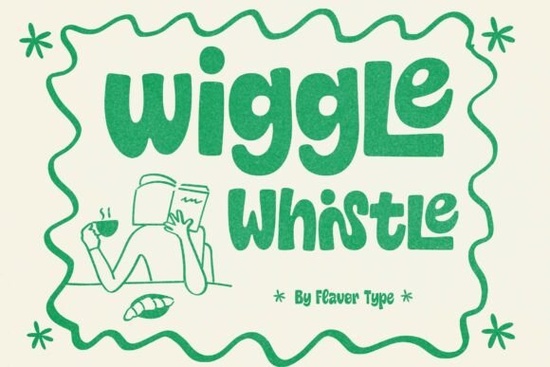
If you need a typeface that feels warm and instantly recognizable, Wiggle Whistle Font delivers exactly that. This chubby display font skips the stiff, corporate look and replaces it with soft, rounded shapes that bounce across the page. Designers, print-on-demand sellers, and small business owners often choose this style when they want packaging, social graphics, or shop signage to feel friendly without sacrificing readability.
What makes this typeface stand out for branding?
The secret lies in its hand-drawn rhythm. Each character carries a gentle wave that mimics the casual charm of a cozy café menu or a handmade snack label. The strokes are bold enough to hold up at large sizes, yet the curved edges keep the overall mood light. The letters sit naturally together, so you do not have to spend hours adjusting kerning or forcing alignment. For crafters who cut vinyl decals or print sticker sheets, the thick outlines prevent weeding issues and keep fine details intact during production.
Where does a playful display font work best?
Rounded typography thrives in spaces where emotion drives the purchase. The soft forms make your message feel inviting rather than sales-heavy. Here are a few practical places where this style consistently performs well:
- Food and beverage labels: Juice bottles, coffee bags, and treat boxes look more appetizing with bouncy lettering.
- Kids’ products: Reading charts, name tags, and activity books benefit from clear, cheerful shapes that young eyes can follow.
- Market signage: Craft fair price tags and pop-up menus catch attention from a distance without feeling loud.
- Print-on-demand merchandise: Tote bags, mugs, and phone cases sell better when the typography feels personal.
If you are exploring other display options for different moods, you might browse a soft script alternative for wedding branding or test a rustic style for outdoor gear labels. Switching typefaces based on your product niche keeps your portfolio fresh.
How do you pair wavy letters with other design elements?
A bold font does most of the heavy lifting, so your supporting elements should stay quiet. Choose a clean sans-serif for body copy, limit your color palette to three tones, and leave white space around the headline. When the main typeface already carries movement, adding heavy textures or complex illustrations will clutter the layout. If your product line needs multiple typographic voices, you could rotate in a sharper decorative option for limited editions or grab a high-energy set for athletic merch.
When working with cutting machines, remember to outline your text before exporting. This prevents missing glyph errors and ensures your strokes stay exactly where you placed them. Always run a quick test print on your actual material, since paper weight and fabric weave can change how thick letters appear once they leave the screen.
What should you verify before downloading?
Not every display typeface includes the same technical features. Before you commit, check whether the download provides both OTF and TTF formats, confirm the commercial license covers your sales channel, and review the character set to ensure it supports your language needs. Some playful fonts also bundle alternate characters, which give you extra layout flexibility without buying additional assets. If you regularly design for seasonal campaigns, keeping a heavy block style on hand for clearance tags can streamline your template updates.
Start by typing your actual brand name into the preview window. Adjust the tracking slightly if the letters feel tight, then export a quick mockup. Keep a simple checklist nearby: verify license terms, test cut quality, pair with a neutral body font, and save final files with outlined text. Once those steps are clear, you can roll out your new packaging or digital posts with confidence.
Learn More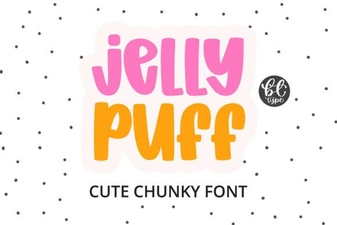 Creative Projects Using Jelly Puff Font
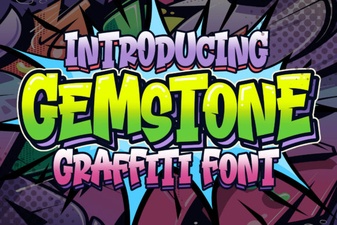 Crafting with the Gemstone Font Design Tool
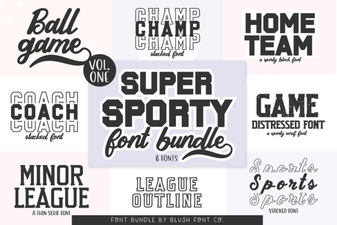 Super Sport Bundle Font: Design & Usability Guide
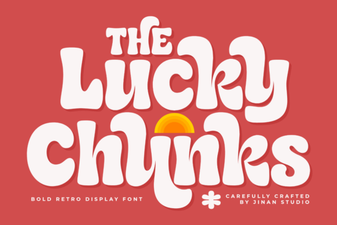 Lucky Chunks Font: Fun & Easy Gameplay Typography
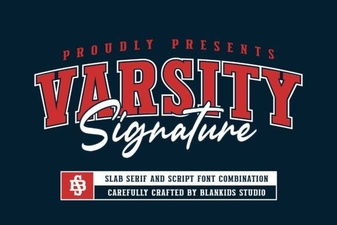 Design Your Team Spirit with Varsity Signature
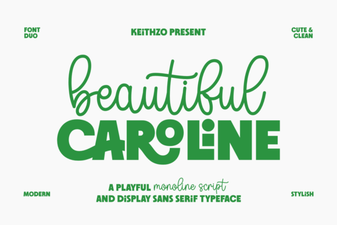 Download the Beautiful Caroline Font for Creative Designs