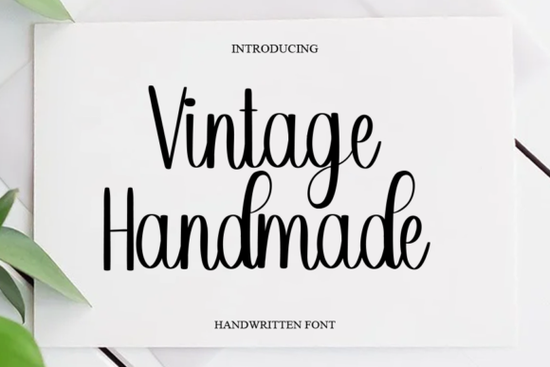
If you need a typeface that feels personal but still works for professional branding, the Vintage Handmade Font delivers exactly that. It is a handwritten script that balances casual charm with clean readability, making it a reliable pick for logos, product packaging, social quotes, and print-on-demand merchandise. Instead of forcing a rigid geometric typeface into a cozy layout, this font gives you organic strokes that mimic real pen-on-paper writing.
What makes this handwritten style work for small business branding?
Handwritten typefaces often fail when they become too messy. This script avoids that trap by keeping letterforms open and consistent. The slight variations in stroke weight give each character a crafted feel without sacrificing legibility at smaller sizes. For crafters and boutique owners, that means you can use it on hang tags, business cards, and website headers. The natural flow pairs especially well with clean sans-serif fonts when you need to balance personality with clear information.
When building a cohesive brand kit, many designers test a few different scripts before settling on one. You might compare it with a bouncy casual option like the playful lettering found here or explore a thicker marker style similar to the chunky handwritten designs in this collection. Testing alternatives helps you confirm whether a lighter script truly matches your brand voice.
Which projects get the best results from this font?
Because the characters carry a warm, nostalgic quality, they shine in applications that rely on emotional connection. Print-on-demand sellers often use it for quote-based apparel, mugs, and tote bags where a personal touch increases perceived value. Candle makers and wedding planners also lean into this style for labels and invitations. The key is to give the letters breathing room. Tight tracking makes handwritten fonts look cluttered, so leave extra space between words and let the natural curves do the work.
If your shop focuses on family products or seasonal gifts, keep a few backup scripts on hand. Some creators switch to a friendly dad-themed lettering style for holiday bundles, while others prefer a bright, retro-inspired script for trendy youth markets. Having a small library of reliable fonts saves time when requests shift quickly.
How do I pair it with other typefaces without clashing?
Script fonts work best when they play a supporting role. Use this handwritten style for headlines or accent words, then pair it with a straightforward sans-serif for body text. Stick to two typefaces per design to keep the hierarchy clear. If you need subtle contrast, try using the script in a muted earth tone while keeping your secondary font in dark charcoal. This approach keeps the layout readable and prevents visual competition.
Before purchasing, review the full character set and check licensing terms. You can preview the complete Vintage Handmade Font on Creative Fabrica to see how the uppercase, lowercase, and numbers render in real mockups. Always verify whether your intended use falls under personal or commercial licensing, especially if you plan to sell physical products.
What should I watch out for when using handwritten fonts?
Even well-crafted scripts cause layout issues if they are stretched or forced into tight containers. Never distort the proportions to make a phrase fit. Instead, adjust the font size, break the text into two lines, or swap out a long word. Another common mistake is overusing decorative alternates. If the font includes swashes, use them sparingly at the beginning or end of a word. Too many flourishes make the design look dated and harder to read on phones.
Designers who regularly update their storefronts keep a dedicated folder for tested typefaces. When you organize your assets by mood, you can quickly pull up a reliable vintage script option whenever a new launch requires a warm vibe. Consistent font usage across your shop builds recognition over time.
Quick setup checklist before you export
- Check spacing: Increase letter spacing slightly if words feel cramped.
- Test contrast: Place the script over a light background or solid shape.
- Limit length: Keep script text to five words maximum for headers.
- Verify license: Confirm commercial rights for printed goods or digital files.
- Export safely: Save files as PDF or PNG at 300 DPI to preserve details.
Start by typing your actual brand name in the font preview. If the letters feel balanced and the mood matches your products, you have a solid foundation. Build a simple style guide, save your color codes, and reuse the same pairing across your next few listings to keep your shop looking cohesive.
Get Started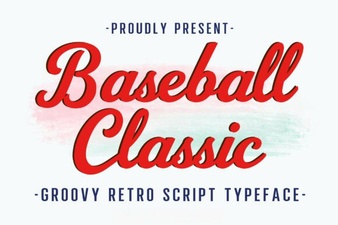 Baseball Typography for Creative Design Projects
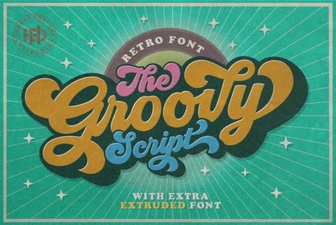 Groovy Font Styles for Creative Project Designs
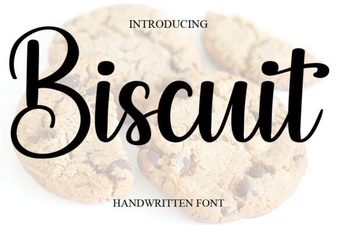 Designing Sweet Text with Biscuit Font
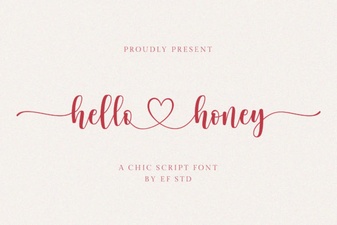 The Hello Honey Font: Creative Handcrafted Designs
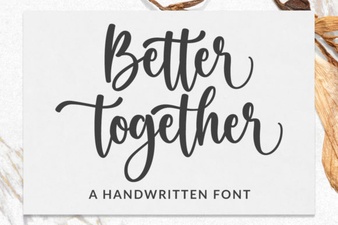 Better Together Font: Design for Collaboration
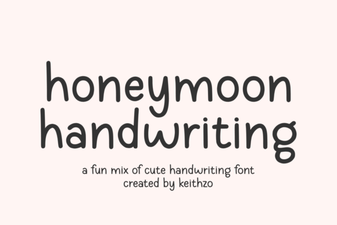 Honeymoon Font: Romantic Handwriting for Design Projects